

Stocks & Markets Editorial Team
Stocks & Markets Editorial Team is the collective byline for our editorial team and contributor network. Articles published under this byline or an editorial pen name are researched, written, and reviewed according to our editorial standards for clarity, consistency, and independence before publication.

Applying Market Analysis Consistently: Principles Seasoned Analysts Rely On
Rigorous market analysis is as much discipline as technique. Explore the habits and principles that keep analytical judg…

Building a Pre-Trade Market Analysis Routine
A structured checklist covering macro context, sector conditions, chart signals, and earnings calendars to review before…

Economic Indicators Every Stock Investor Should Know How to Interpret
From GDP releases to jobs data, these macro indicators regularly move markets. Here is what each one signals and how ana…

How to Use Relative Strength to Compare Stocks Against Their Benchmarks
Relative strength measures how a stock performs against an index or peer group. Learn how to calculate it and what outpe…

Market Analysis: A Complete Framework from Macro Context to Stock Selection
A comprehensive, end-to-end guide to reading markets — covering economic cycles, sector dynamics, valuation methods, and…

Market Breadth Indicators: Gauging the Health of a Rally Beyond the Index
An index can rise while most stocks fall. Market breadth indicators reveal whether a trend is truly broad-based or dange…

Misreading a Trend: Where Investors Often Go Wrong with Technical Signals
Acting on false breakouts, ignoring volume confirmation, and over-relying on a single indicator — explore the analytical…
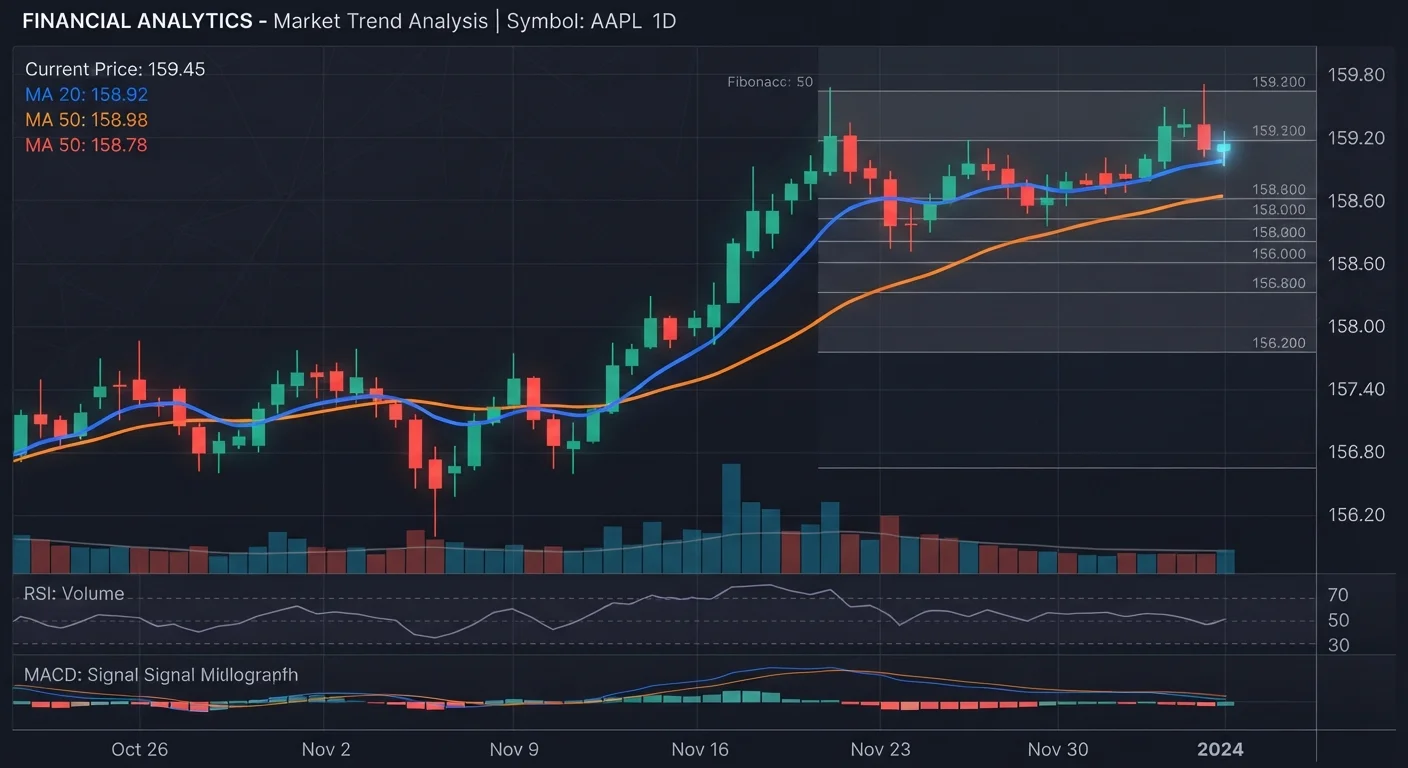
Moving Averages: When the Simple Line Tells a Complicated Story
Moving averages smooth out price noise, but choosing the wrong type or period can mislead you. Learn how SMA and EMA dif…
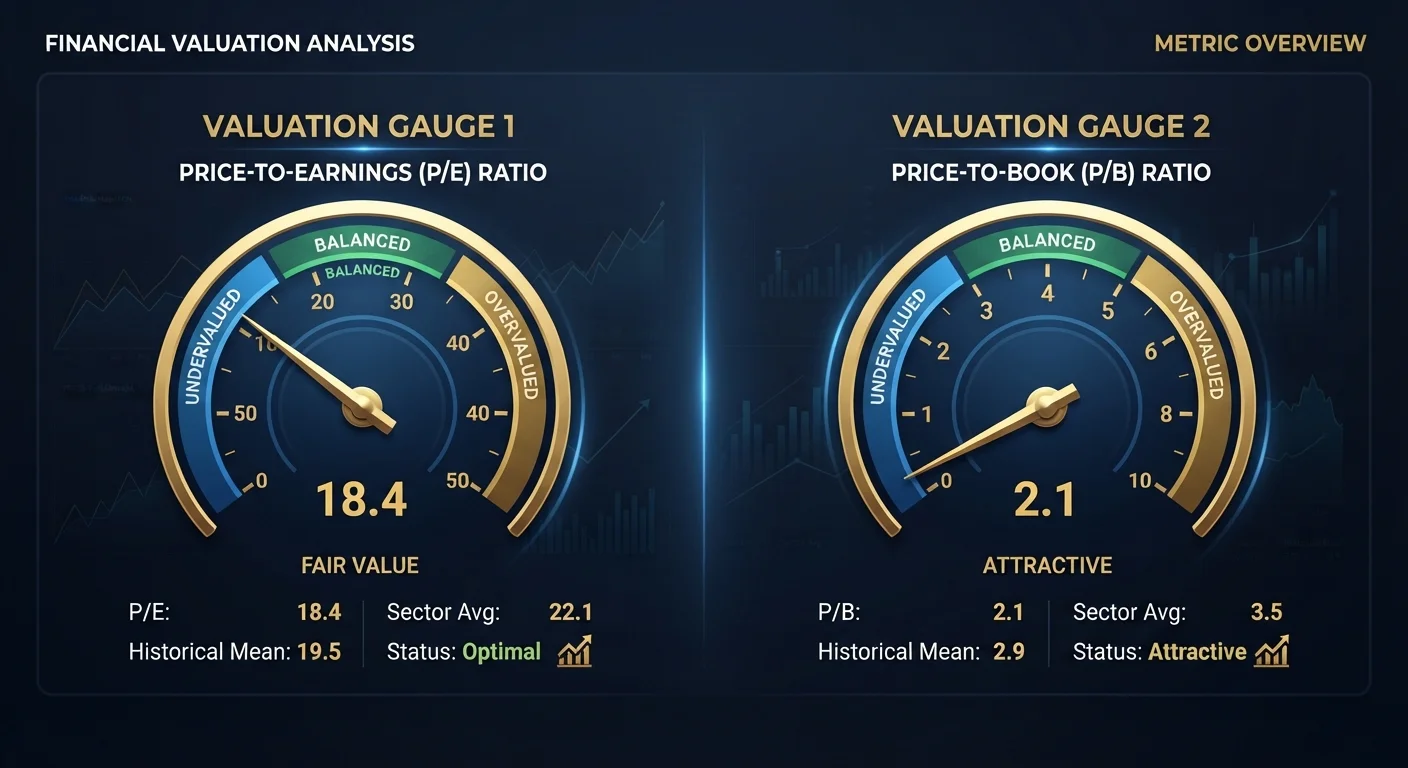
Price-to-Earnings Ratio vs Price-to-Book Ratio: Choosing the Right Valuation Yardstick
P/E and P/B ratios both estimate value, but they suit different industries and conditions. See what each measures and wh…

Reading a Stock Chart: Candlesticks, Volume, and Trend Lines Explained
A practical walkthrough of the core elements on any stock chart — from candlestick patterns to volume signals and suppor…

Sector Rotation: Tracking How Money Moves Across the Market Cycle
Sector rotation describes how capital flows between industries as economic conditions change. Understand the logic behin…

Technical Analysis vs Fundamental Analysis: Two Lenses on the Same Market
Understand how technical and fundamental analysis differ, where each method shines, and why many investors draw on both.…
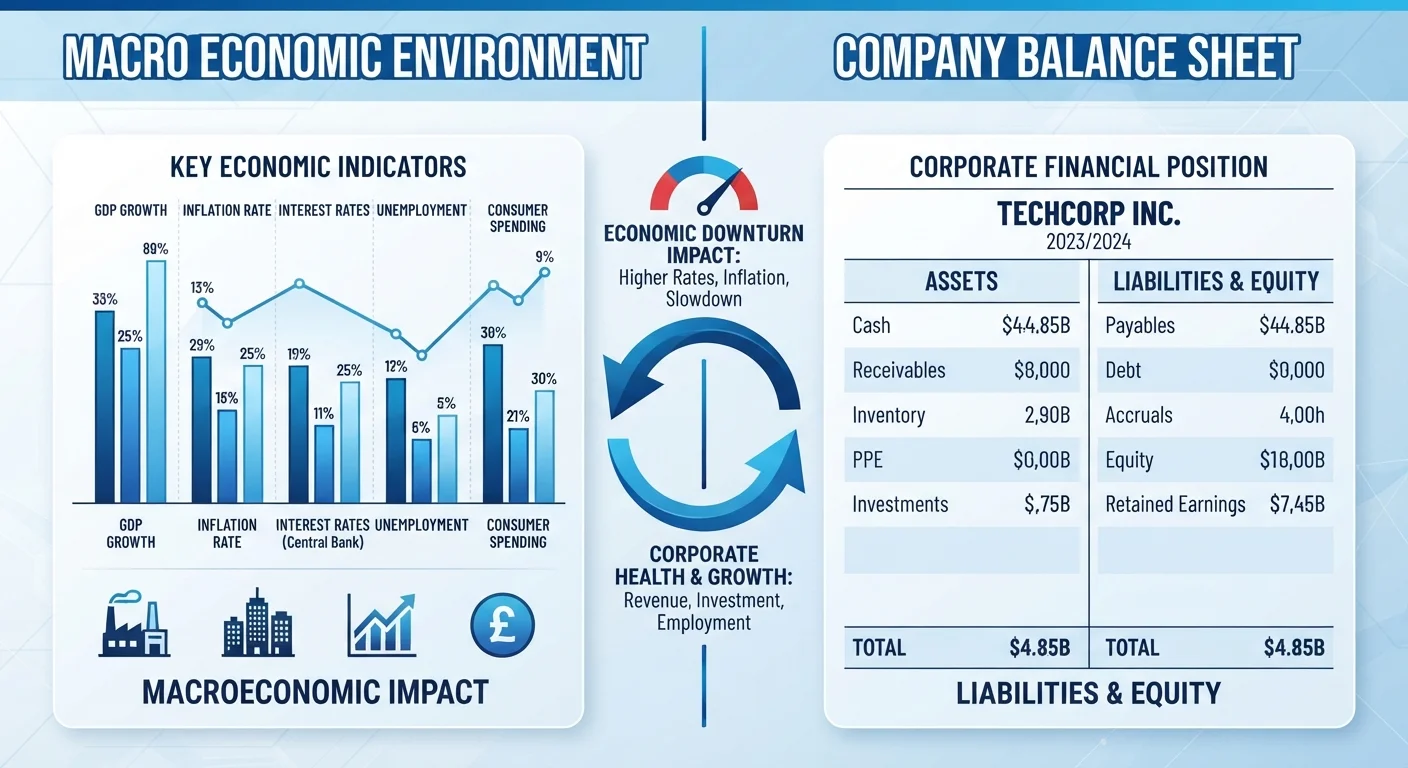
Top-Down vs Bottom-Up Investing: Frameworks for Structuring Your Research
Top-down analysis starts with the economy; bottom-up starts with individual companies. Both are valid — but they answer …

What Market Sentiment Actually Measures — and Why It Moves Prices
Market sentiment captures the collective mood of investors. Learn how it forms, how it's measured, and why it can diverg…

Why Volatility Is Not the Same as Risk — and Why the Distinction Matters
Volatility and risk are often used interchangeably, but they describe different things. Understanding the difference sha…

Assessing a Stock's Fair Value: A Practical Walkthrough
A step-by-step framework for estimating whether a stock is overvalued, undervalued, or fairly priced using publicly avai…

Before You Call a Stock Undervalued: A Pre-Decision Checklist
Use this structured checklist to pressure-test a valuation thesis—covering earnings quality, debt levels, competitive po…

Equity Valuation from the Ground Up: A Beginner's Roadmap
New to reading financial statements and valuation ratios? This structured introduction covers the foundational concepts …
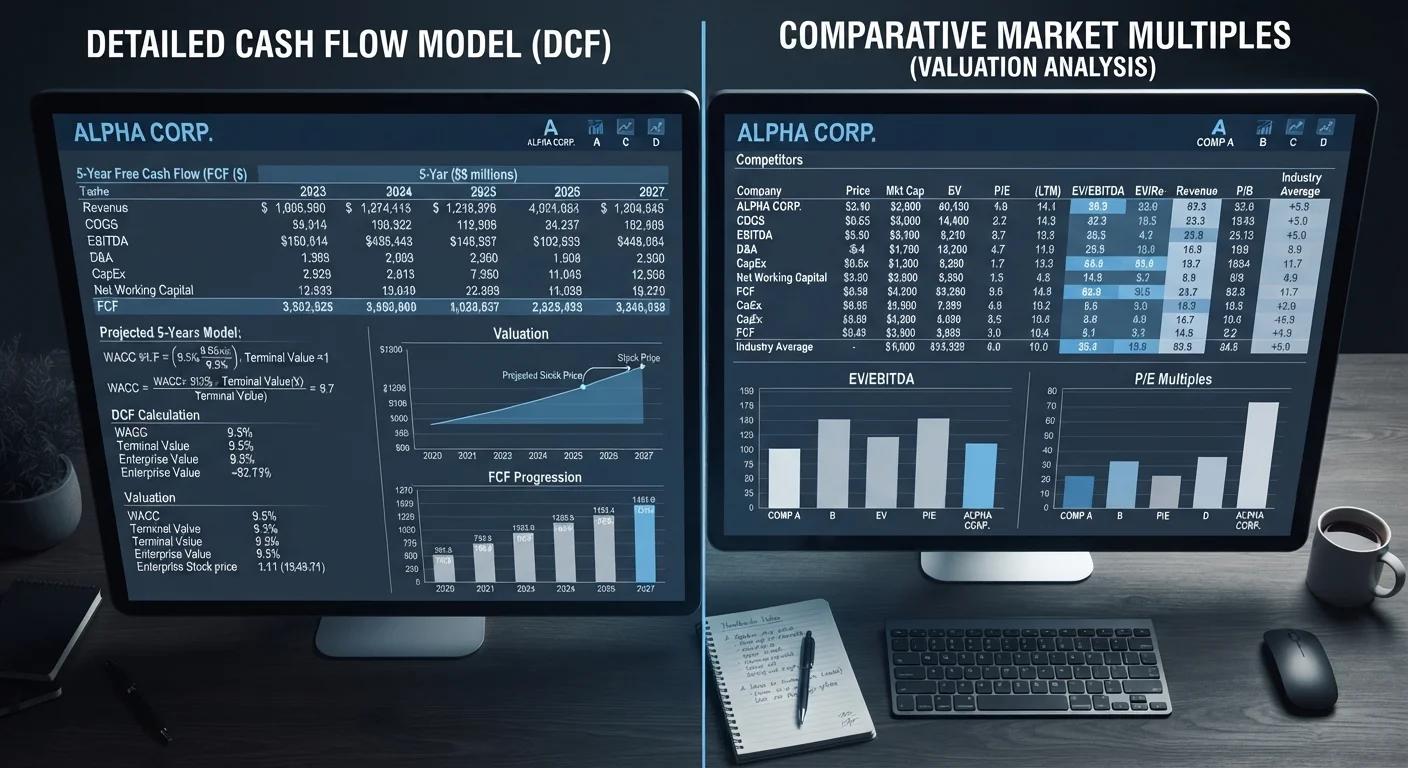
Fundamental Analysis vs. Relative Valuation: Two Schools of Thought on Equity Worth
Explore the key differences between intrinsic value analysis and relative valuation methods, and when each approach tend…

Growth Stocks and Value Stocks: How Valuation Thinking Differs Between the Two
The metrics that matter for a high-growth tech company look very different from those used for a mature dividend payer. …

Price-to-Earnings vs. Price-to-Book: Choosing the Right Lens for the Right Business
P/E and P/B ratios answer different questions about a stock's value. See which metric fits which type of company and why…

Reading a Discounted Cash Flow Model Without Getting Lost in the Math
DCF analysis is powerful but often misunderstood. Learn what the inputs mean, where the model is fragile, and how to int…

Sector-Specific Valuation: How Analysts Measure Worth Across Industries
Banks, utilities, REITs, and tech firms each use different valuation yardsticks. A look at why one-size metrics rarely f…

Sound Habits for Building a Repeatable Stock Valuation Process
Experienced analysts follow consistent frameworks, not gut instinct. Explore the disciplines and routines that underpin …

Stock Valuation Explained: What It Means to Know What a Share Is Worth
Understand what stock valuation is, why it matters, and how investors use it to assess whether a share price reflects a …

Stock Valuation: A Comprehensive Guide to Measuring Equity Worth
From intrinsic value models to market multiples and qualitative factors—a thorough, end-to-end resource for investors wh…

The Investor's Field Guide to Stock Valuation Metrics
A quick-reference glossary of core valuation metrics—P/E, P/B, EV/EBITDA, and more—with plain-language definitions for e…

The Strengths and Blind Spots of Using EV/EBITDA
EV/EBITDA is widely used in equity research, but it carries real limitations. Understand what it captures well and where…

Valuation Errors That Quietly Distort Investment Decisions
From anchoring on a single ratio to ignoring capital structure, these are the analytical missteps that cause investors t…

Why a Low P/E Ratio Doesn't Automatically Signal a Bargain
A cheap-looking P/E can mask earnings risk, sector dynamics, or accounting distortions. Learn what else to examine befor…
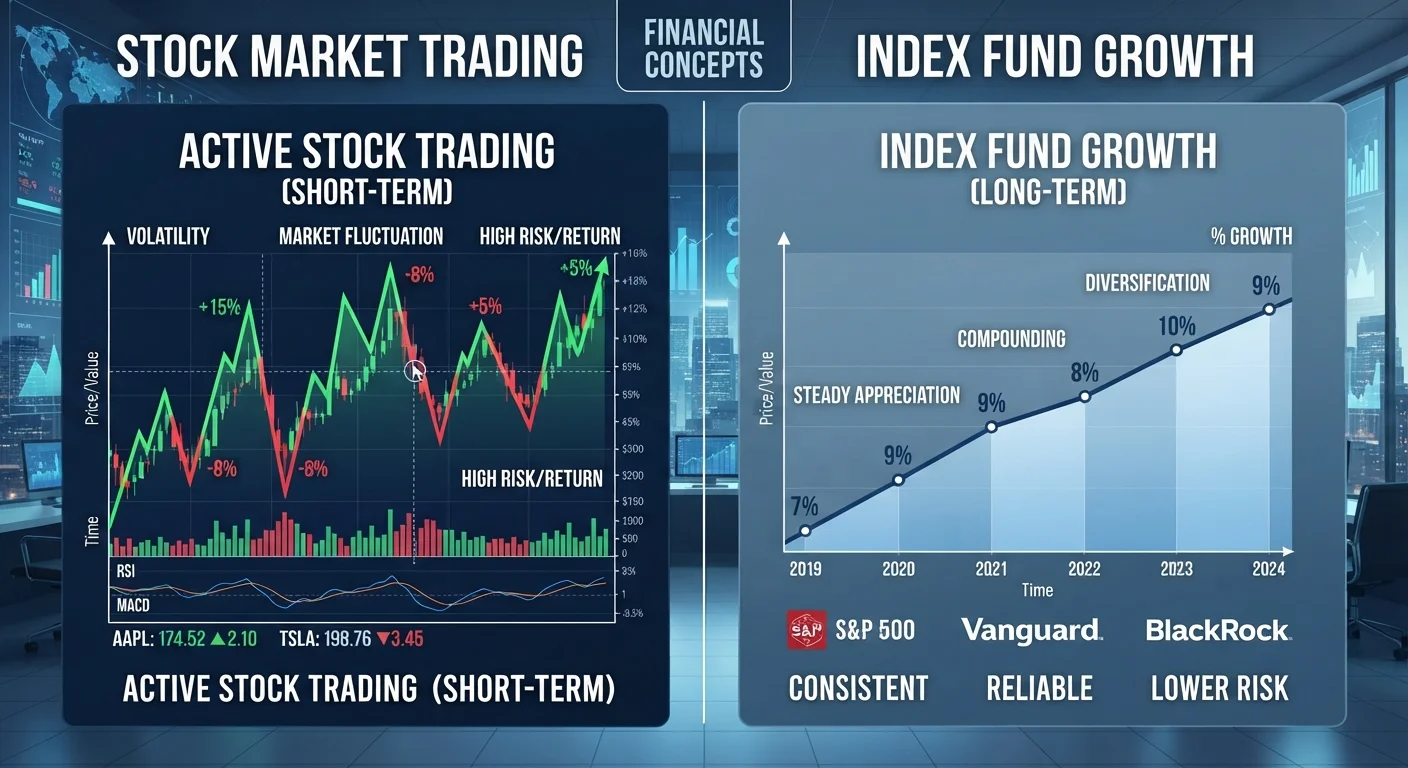
Active vs. Passive Investing: What the Evidence Actually Shows
An evidence-based look at how active and passive investment strategies compare on cost, performance consistency, and lon…

Before You Change Your Investment Strategy, Ask These Questions
A structured checklist to help investors assess whether a strategy change is driven by evidence and goals — or by emotio…

Building a Stock Portfolio From the Ground Up
A structured introduction to constructing your first equity portfolio, from asset allocation principles to diversificati…
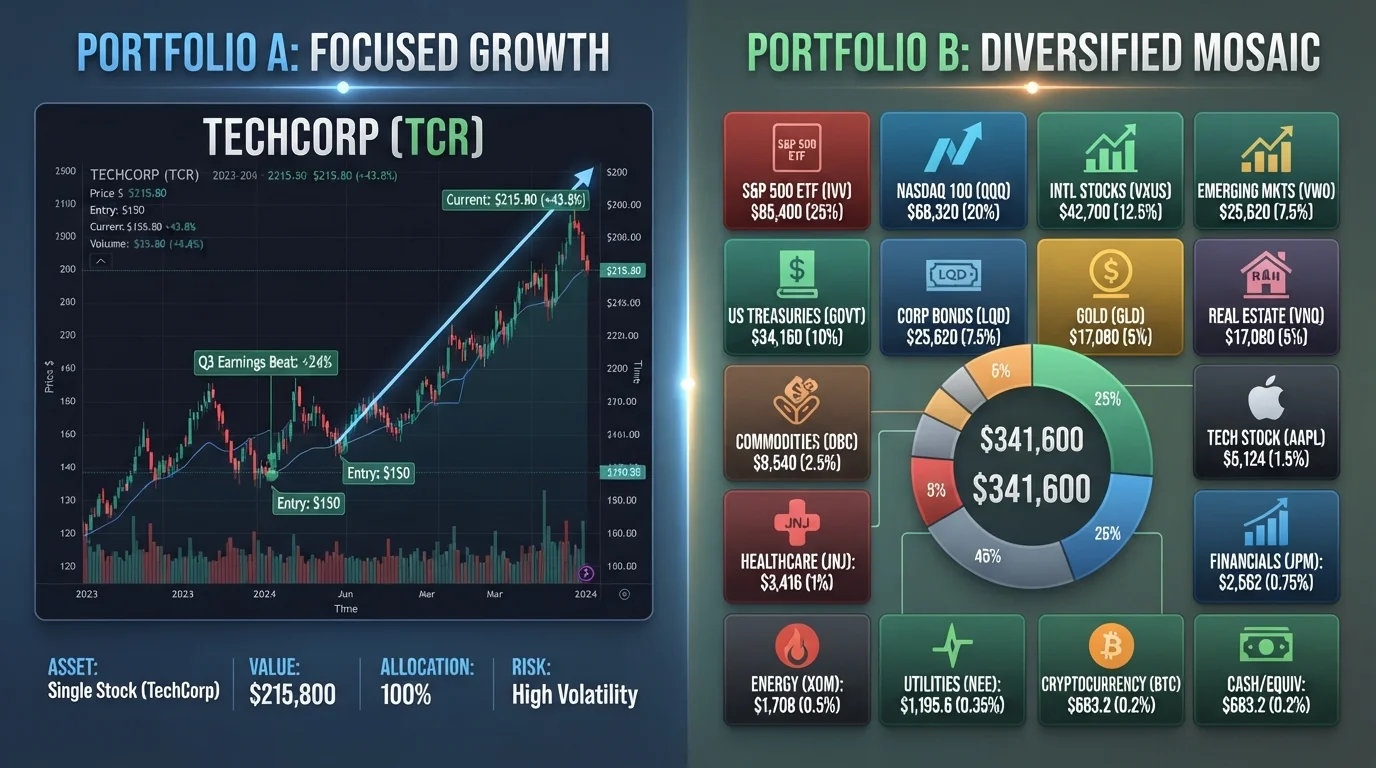
Concentrated vs. Diversified Portfolios: The Trade-Offs Every Investor Should Understand
Weigh the risk-return trade-offs of holding a focused stock portfolio against a broadly diversified one, with real-world…
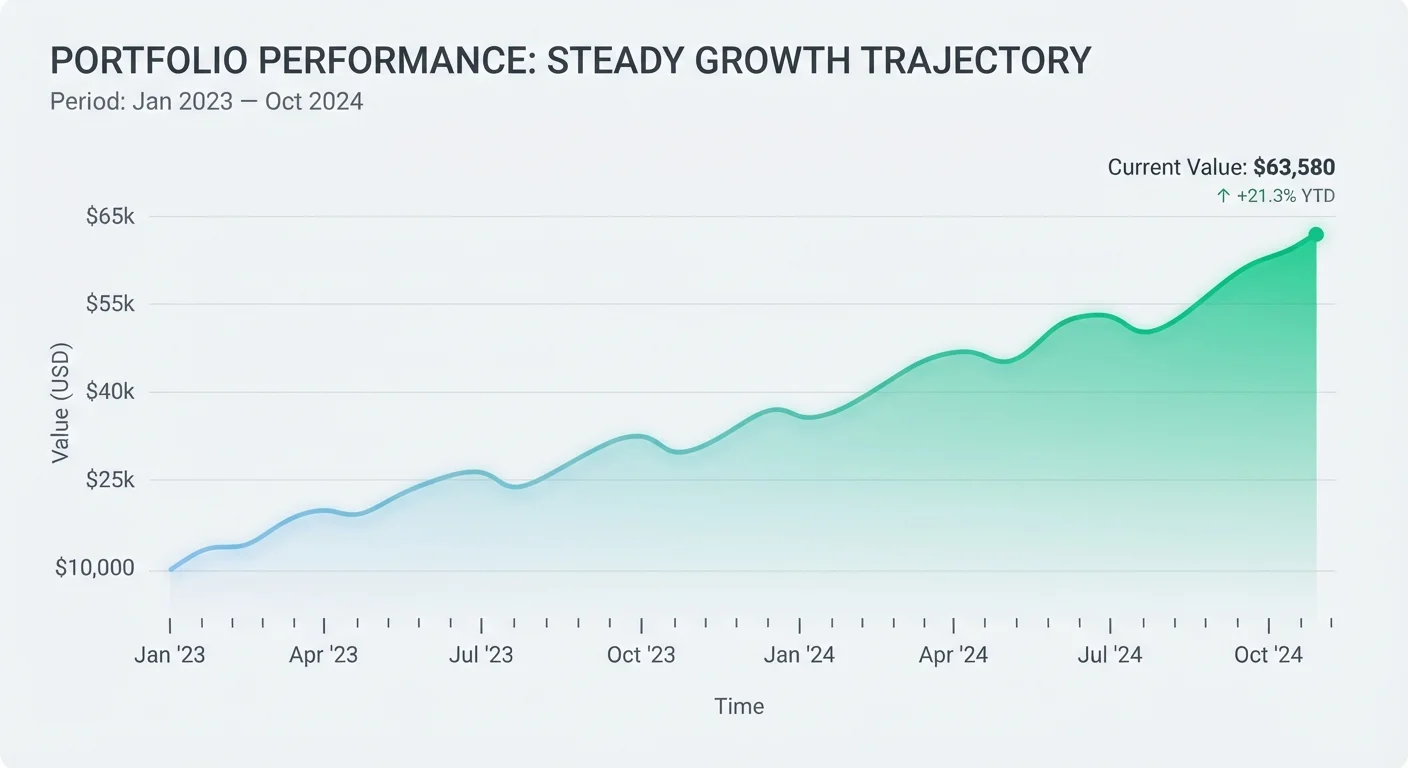
Dollar-Cost Averaging Explained: Why Consistency Can Outperform Timing
Understand how dollar-cost averaging works, why it reduces emotional investing risk, and how it compares to lump-sum inv…

Equity Investment Strategies: A Reference Glossary for Informed Investors
A concise reference covering key investment strategy terms — from momentum and factor investing to sector rotation and m…

Factor Investing Demystified: Size, Value, Momentum, and Quality
Understand what factor investing is, how academic research underpins its core factors, and how it differs from tradition…

Long-Term Stock Market Participation: Principles That Hold Across Market Cycles
A comprehensive guide to the evidence-based principles — patience, discipline, diversification, and cost control — that …

Maintaining Discipline During Market Downturns: Evidence-Based Practices for Long-Term Investors
Practical, research-grounded habits that help equity investors stay the course when volatility spikes and short-term los…

Portfolio Rebalancing: When, Why, and How to Do It Effectively
Learn what portfolio rebalancing is, how drift affects your risk exposure, and the practical steps involved in bringing …
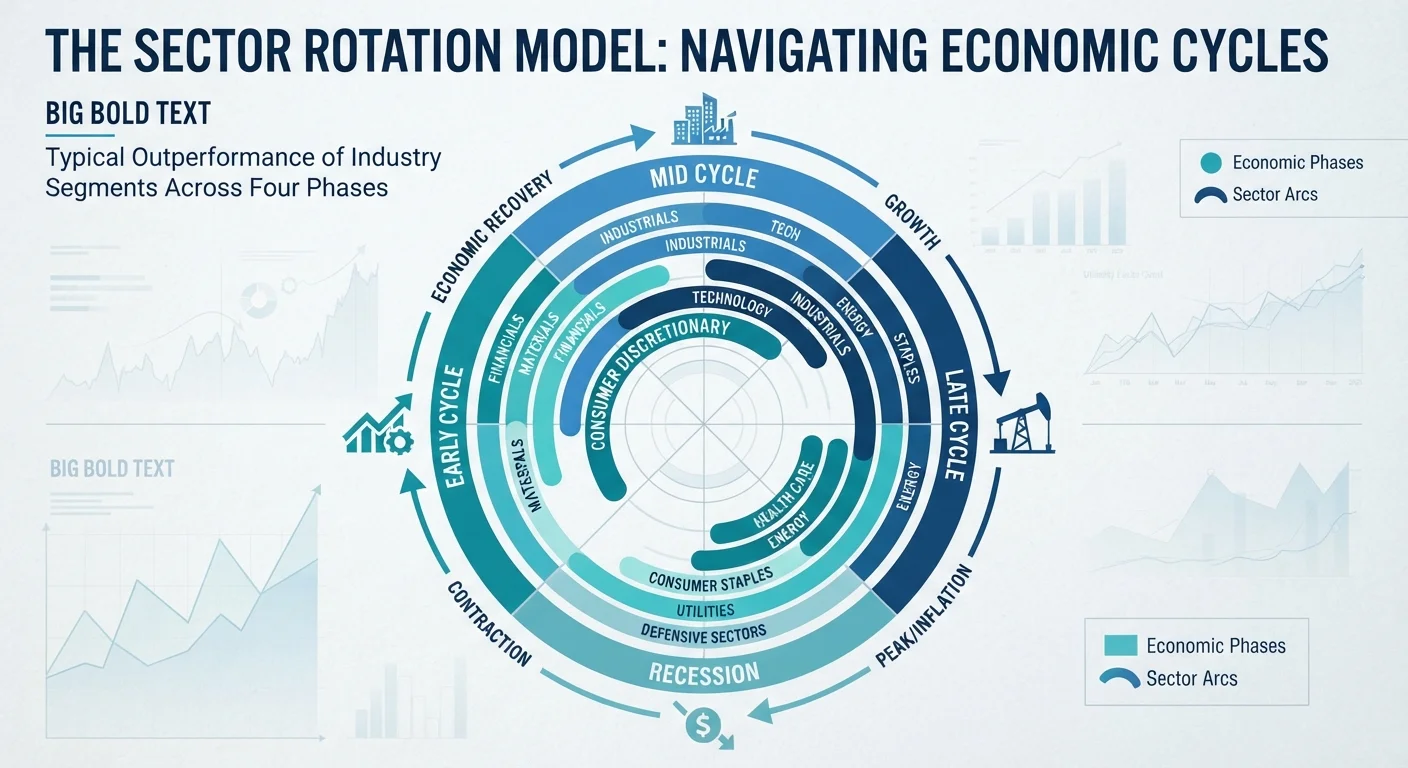
Sector Rotation as an Investment Approach: Mechanics and Limitations
Explore how sector rotation works as a strategy, what drives cyclical shifts between sectors, and why it's harder to exe…
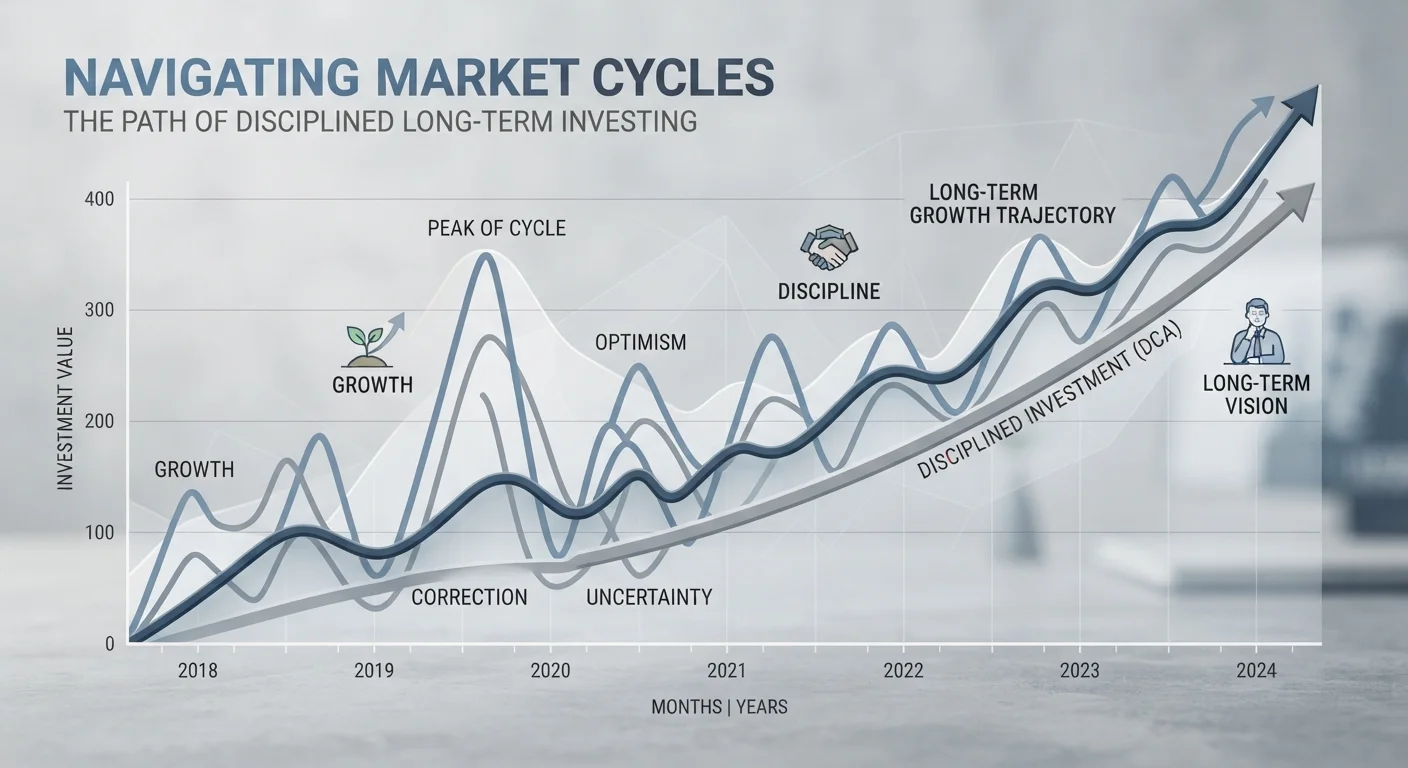
Stock Market Myths That Can Quietly Erode Your Returns
Common investing beliefs — like 'sell in May' or 'safer to wait for a dip' — examined against what the data actually sup…

The Dividend Growth Strategy: Compounding Income Over Decades
Explore how reinvesting growing dividends over long timeframes can compound returns and reduce reliance on market timing…

Value Investing vs. Growth Investing: Two Philosophies, One Portfolio Decision
A clear-eyed comparison of value and growth investing strategies — their core assumptions, risk profiles, and historical…

Why Smart Investors Still Get Burned by Recency Bias
Recency bias leads investors to overweight recent trends. Understand how this cognitive error distorts strategy and what…