Search
Enter at least 3 characters
Understanding how risk assessment and the claims process work in practice.
Updated daily · 15 stories

By Insurance Explained Editorial Team · 6 min read
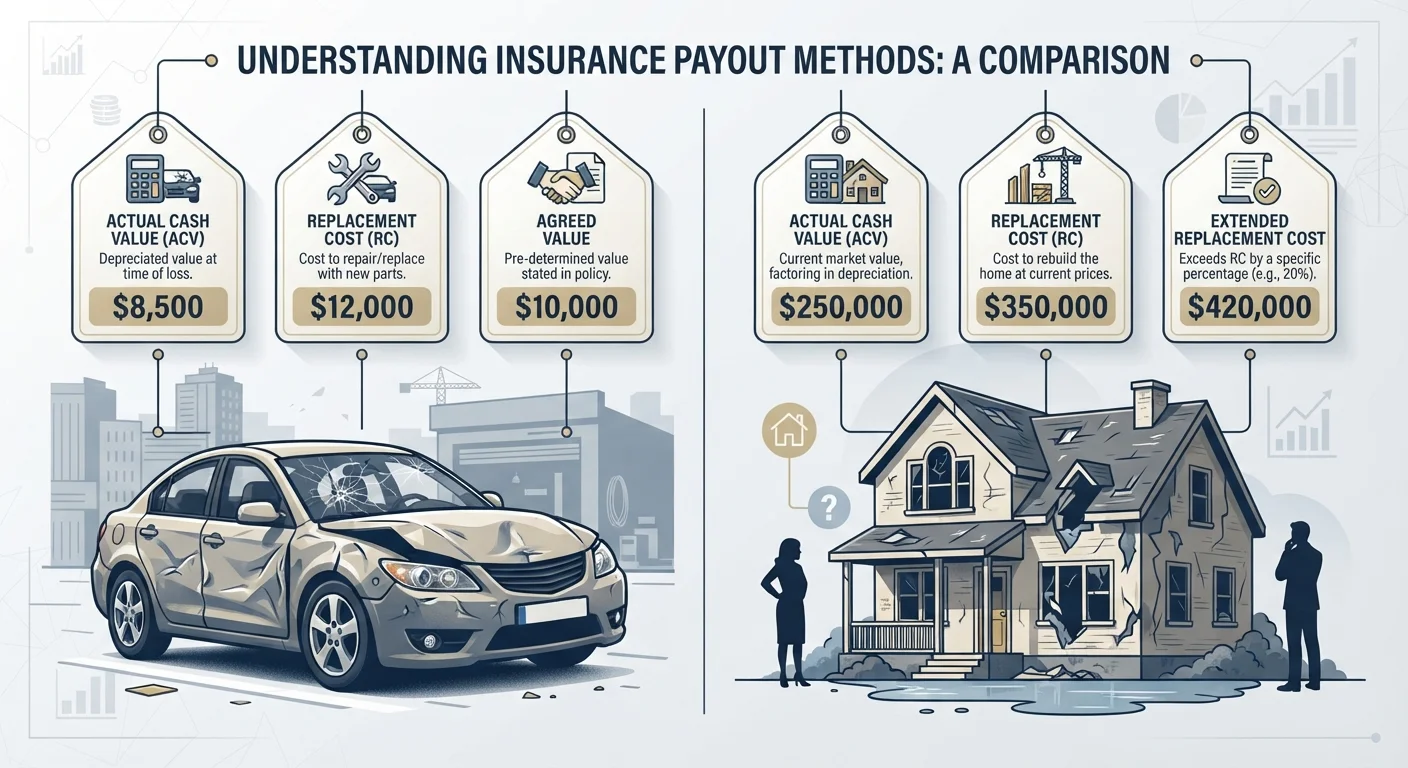
The valuation method in your policy determines your payout. Here's how each approach works and what it means for your fi…
Floods, pandemics, and earthquakes often fall outside standard coverage. Learn why catastrophic risks are treated differ…
Strong documentation is the single most powerful factor in a smooth claims settlement. Use this checklist to capture eve…
Lifestyle changes, home renovations, and lapsed policies can all shift your risk category without you realising it. Here…
A practical walkthrough of the claims process—what to document, who to contact, and how to avoid common pitfalls that de…
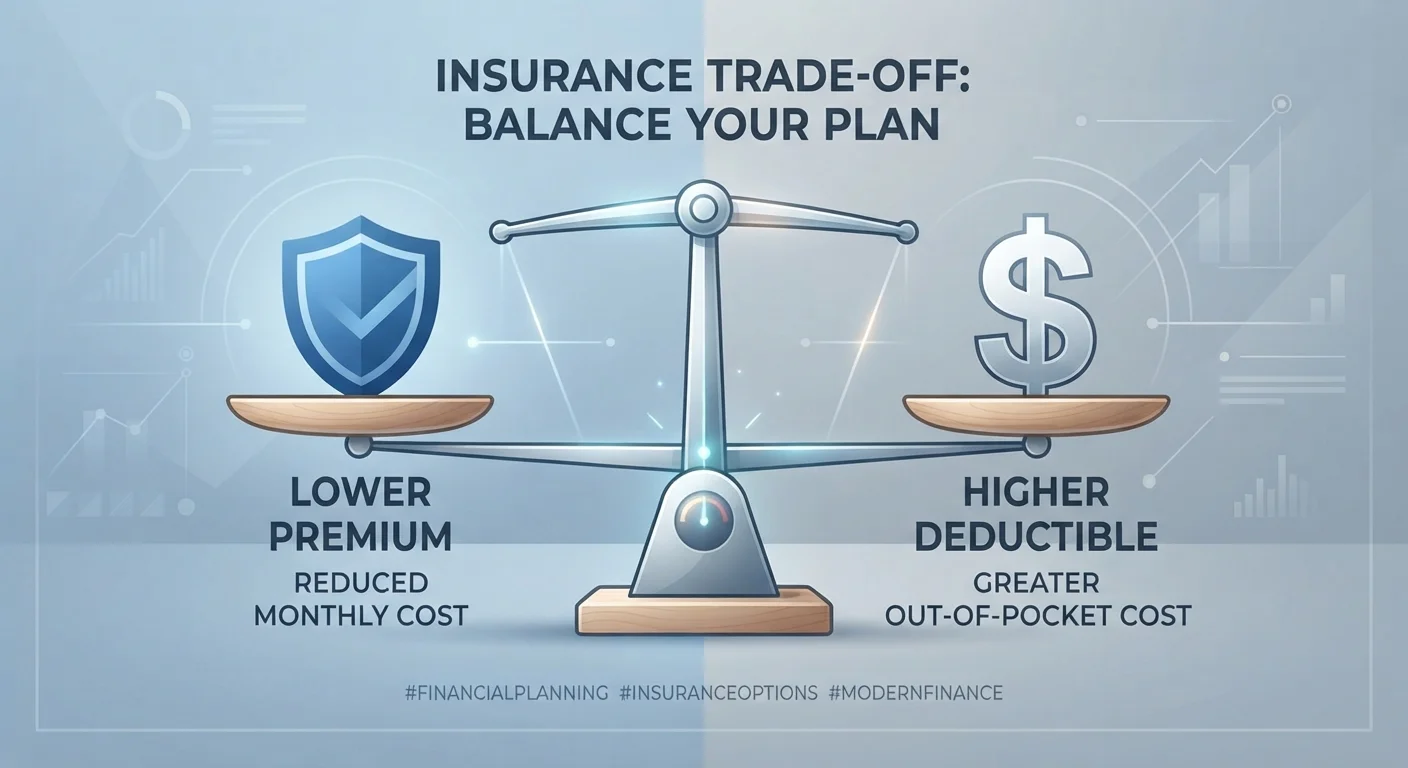
Choosing a higher deductible reduces your premium but shifts more risk onto you. Explore when that trade-off makes finan…
Understand the factors insurers weigh when calculating your premium, from age and location to claims history and lifesty…
Honest, well-prepared claims move faster, settle fairly, and protect the integrity of the insurance system everyone depe…
Two economic concepts quietly influence everything from your premium to policy availability. Here's what moral hazard an…
A total-loss declaration triggers a distinct claims path. Understand how insurers determine total loss, value your asset…
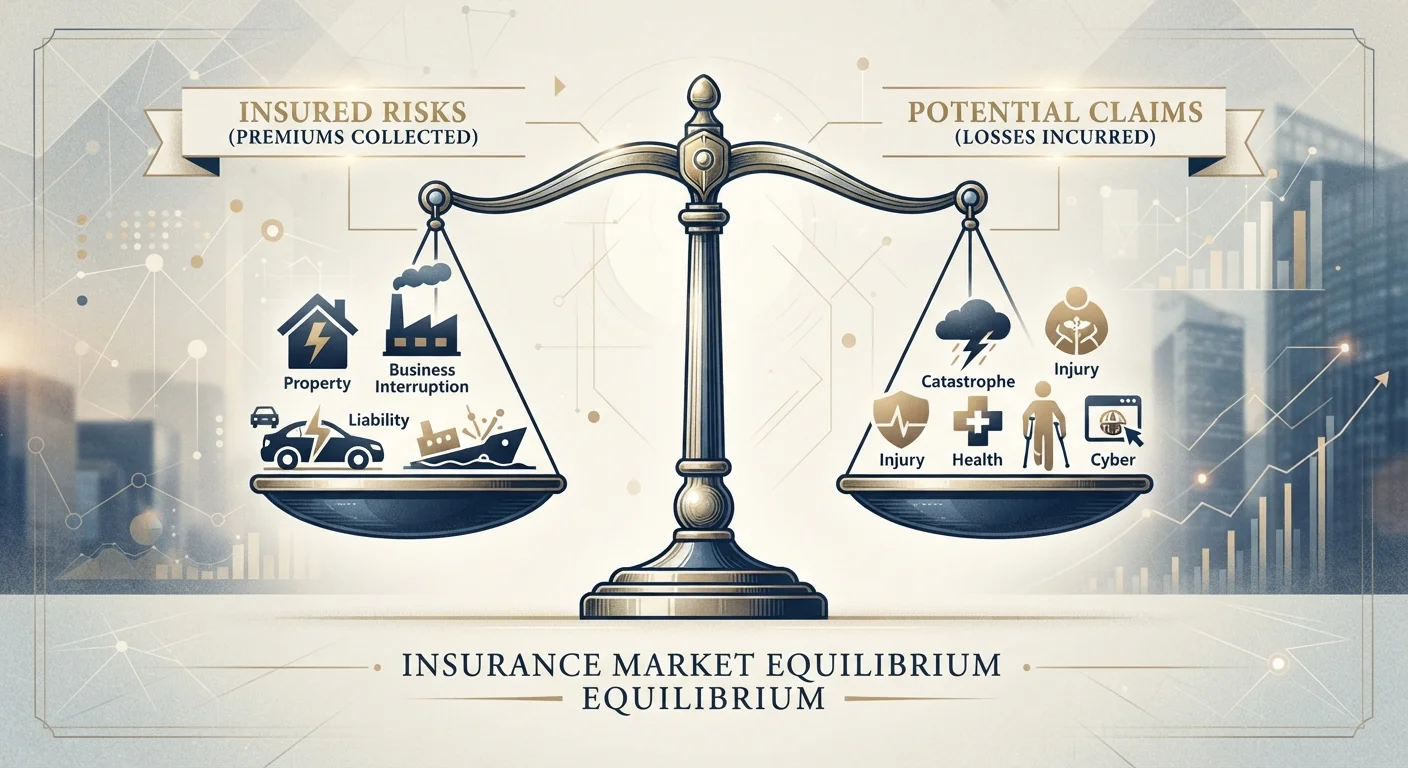
Insurance only works because risk is shared. Understand what risk pooling means, how it's structured, and why it affects…
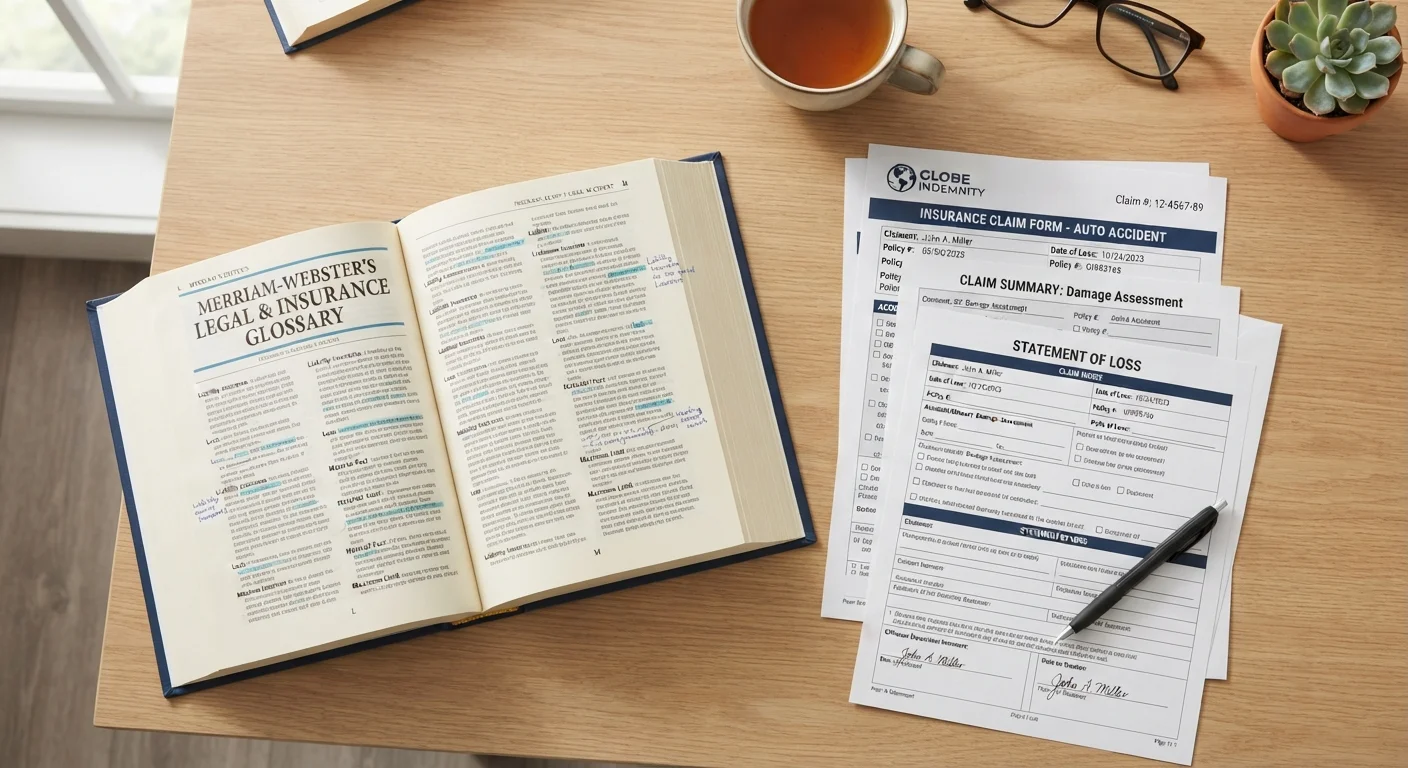
From 'subrogation' to 'proof of loss', this reference glossary decodes the terminology you'll encounter during the claim…
The term pre-existing condition carries significant weight in health, life, and travel insurance. This explainer breaks …
Claim denials are more common than most policyholders expect. Learn the typical reasons insurers decline claims and how …