
Catastrophic Risk and Personal Insurance: Where Individual Policies Have Limits
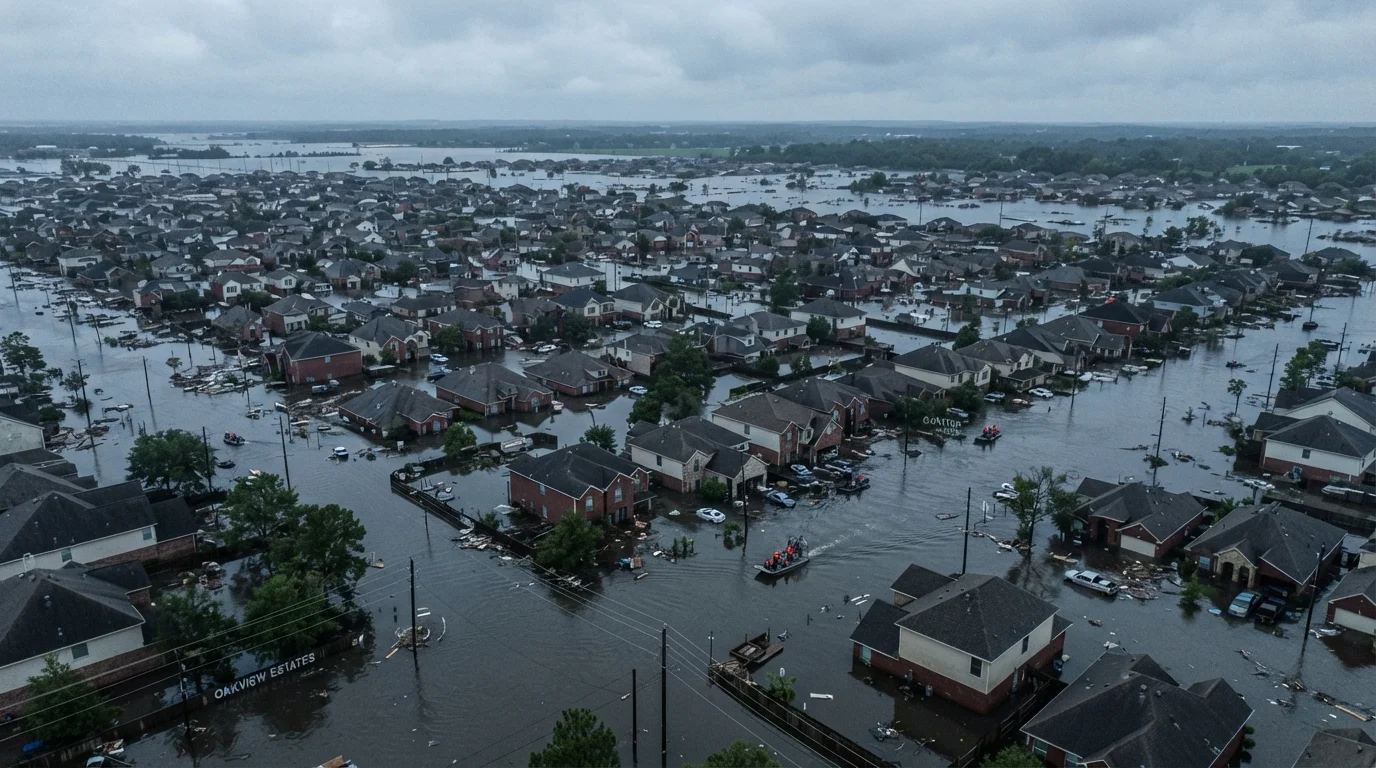
Photo credit: NewBizBuzz.net | Financial Insights For All
In this article
Floods, pandemics, and earthquakes often fall outside standard coverage. Learn why catastrophic risks are treated differently and how coverage gaps arise.
Key Takeaways
- Standard homeowners, auto, and health policies routinely exclude or severely limit coverage for catastrophic events.
- Floods and earthquakes require separate, standalone policies — they are not covered under most homeowners insurance.
- Pandemic-related business and health losses exposed significant gaps in personal and commercial insurance coverage.
- Government-backed programs like the NFIP exist precisely because private insurers often cannot profitably cover catastrophic risks.
- Reviewing your policy exclusions before a disaster — not after — is essential to understanding your real financial exposure.
Why Insurance Struggles With Catastrophic Events
Insurance works by pooling risk: many people pay premiums, relatively few file large claims, and the insurer uses the pool to pay those claims while remaining solvent. This model functions well when risks are independent — your car accident doesn't trigger your neighbor's claim at the same moment.
Catastrophic events break that model. A major hurricane, a regional earthquake, or a pandemic creates correlated losses — thousands or millions of policyholders file claims simultaneously, in the same time window, often in the same geography. The insurer cannot offset those losses with premiums from unaffected policyholders elsewhere because the event is too large and too concentrated.
This structural problem explains why catastrophic risks are typically treated differently from everyday insurable perils. Insurers either exclude them, limit them heavily, or price them at a level that most consumers would find prohibitive without government subsidy or reinsurance support.
Correlation Risk: Why This Matters
When a catastrophic event strikes, insurers face claims from thousands of policyholders at the same time — a phenomenon actuaries call correlated loss. Unlike isolated car accidents or household fires, correlated losses can exceed an insurer's reserves rapidly. This is the core reason catastrophic perils are so often carved out of standard policies rather than priced into them.
To understand how standard policies are structured before considering catastrophic gaps, see our overview of the major insurance categories.
The Most Common Catastrophic Coverage Gaps
Several high-impact risks are routinely excluded from standard personal insurance policies. Understanding these gaps is the first step toward addressing them.
Floods
Flood damage is excluded from virtually every standard homeowners policy in the United States. This surprises many homeowners, who assume that water damage from any source is covered. In reality, coverage under a standard policy typically applies only to sudden, internal water damage — not to rising waters from rain, storm surge, or overflowing rivers. Separate flood insurance, often through the federally backed National Flood Insurance Program (NFIP), is required to fill this gap.
Earthquakes
Earthquake damage is similarly excluded. Standalone earthquake policies are available but can carry high deductibles — often expressed as a percentage of the home's insured value rather than a flat dollar amount — making out-of-pocket exposure substantial even with coverage.
Pandemics
The COVID-19 pandemic made clear that pandemic-related losses — including business interruption and certain health costs — fall into contested or excluded territory under many policies. Most business interruption policies were written to require physical property damage as a trigger, a condition pandemic closures did not meet.
~40%
Flood losses covered by insurance
According to FEMA estimates, only about 40% of flood-related losses in the US are typically covered by insurance, leaving a substantial protection gap borne by individuals and governments.
5%
US homeowners with earthquake coverage
Industry research suggests fewer than 1 in 20 US homeowners carry earthquake insurance, despite seismic risk being present in many regions beyond California.
For a broader look at where protection ends across common policy types, our guide to gaps and exclusions in standard policies provides additional context.
Government Programs and the Role of Reinsurance
Because private markets struggle to cover catastrophic risk profitably, government-backed programs have stepped in to provide coverage that would otherwise be unavailable or unaffordable.
- NFIP (National Flood Insurance Program): Administered by FEMA, the NFIP allows homeowners in participating communities to purchase flood coverage that private insurers typically won't offer at accessible prices.
- State FAIR Plans: Many states operate Fair Access to Insurance Requirements (FAIR) plans as insurers of last resort, providing basic property coverage in high-risk areas where private insurers have withdrawn.
- California Earthquake Authority (CEA): A publicly managed entity offering residential earthquake insurance in California, where private market capacity is limited.
Behind the scenes, insurers also use reinsurance — essentially insurance for insurers — to transfer catastrophic risk to global reinsurance markets. This allows primary insurers to take on some catastrophic exposure without bearing the full risk of a major event themselves.
“The insurance industry's ability to pay claims depends on the statistical independence of losses. When a single event causes losses for millions of policyholders simultaneously, that independence breaks down — and so does the traditional insurance model.”
— Insurance Information Institute, Industry research and education organization
Even with these mechanisms in place, coverage limits under government programs are often lower than the full replacement cost of a home, and coverage terms can differ significantly from standard private policies. Reading actual policy documents — not summaries — is essential.
What You Can Do: Closing Your Own Gaps
Knowing where catastrophic coverage ends helps you make more deliberate decisions about supplemental protection. This is general educational information; for guidance specific to your situation, consult a licensed insurance professional.
- Read your exclusions section: Your policy's exclusions section lists what is not covered. Look specifically for language around floods, earthquakes, acts of God, government action, and named perils versus open perils.
- Assess your geographic exposure: FEMA flood maps and USGS seismic hazard maps are publicly available tools that indicate your property's risk level for flooding and earthquakes, respectively.
- Consider supplemental policies: Standalone flood and earthquake policies exist and may be worth evaluating if your geographic exposure is meaningful.
- Understand policy limits vs. replacement cost: Even where catastrophic coverage is available, policy limits may not fully cover rebuilding costs. Confirm your coverage limits reflect current construction costs in your area.
Review Exclusions Before Disaster Strikes
Don't wait until you file a claim to learn what your policy doesn't cover. Set aside time each policy renewal period to read the exclusions section carefully. If the language is unclear, ask your insurer or agent for a plain-language explanation in writing.
For context on how liability coverage extends — and where it stops — see our article on what umbrella insurance covers and our broader guide to coverage gaps that catch people off guard.
This article is for general informational purposes only and does not constitute personalized insurance, financial, or legal advice. Coverage terms, exclusions, and eligibility vary by provider, policy, and state. Consult a licensed insurance agent or adviser for guidance specific to your circumstances.
Frequently Asked Questions

Author
Insurance Explained Editorial Team
Insurance Explained Editorial Team is the collective byline for our editorial team and contributor network. Articles published under this byline or an editorial pen name are researched, written, and reviewed according to our editorial standards for clarity, consistency, and independence before publication.
View all articles →