
Why Your Claim Was Denied—and What You Can Do Next
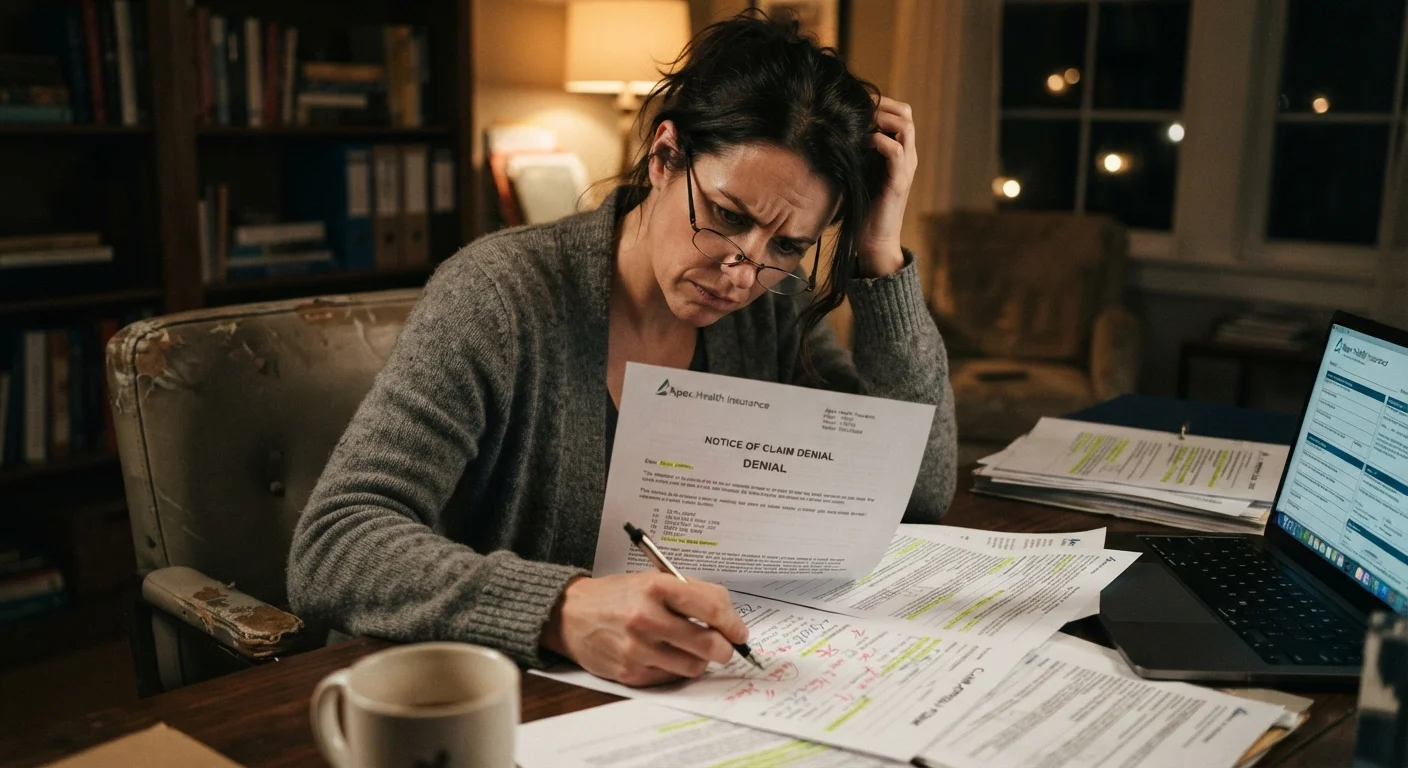
Photo credit: NewBizBuzz.net | Financial Insights For All
Claim denials are more common than most policyholders expect. Learn the typical reasons insurers decline claims and how to respond effectively.
Key Takeaways
- Most claim denials stem from avoidable policyholder errors, not insurer bad faith.
- Prompt reporting, thorough documentation, and accurate applications are your strongest defenses.
- Every denied claim carries a formal right to appeal — use it with supporting evidence.
- Policy exclusions cause more denied claims than many policyholders expect.
Denials Are More Common Than You Think
Receiving a claim denial can feel like a breach of trust — you paid premiums, something went wrong, and now your insurer says no. But denials are a routine part of the claims process, and many are triggered by correctable mistakes rather than genuine coverage gaps. Understanding the most frequent reasons insurers decline claims puts you in a far stronger position to respond — or better yet, to avoid a denial in the first place.
This article walks through the mistakes that most commonly lead to denied claims, why they happen, and the concrete steps you can take to push back or prevent them. As always, this is general educational information; your policy terms and state regulations will govern your specific situation, so consult a licensed insurance professional for guidance tailored to your circumstances.
Failing to report the claim promptly after the loss occurs.
Why it happens: Policyholders often wait — hoping the damage is minor or assuming a few extra days won't matter. Most policies contain strict notice requirements that are easy to overlook.
Providing inaccurate or incomplete information on the original application.
Why it happens: Applicants sometimes underestimate the significance of disclosure questions or guess at details like square footage, driving history, or health conditions to save time.
Submitting a claim for a loss that falls under a policy exclusion.
Why it happens: Many policyholders assume broad coverage based on a policy's name — 'homeowners' or 'comprehensive auto' — without reading the exclusions section carefully.
Failing to document the loss adequately before beginning repairs or cleanup.
Why it happens: In the stress of a loss event, the instinct is to fix things immediately. Insurers need evidence of the original damage, and premature remediation destroys it.
Letting the claim filing deadline (the statute of limitations or policy notice period) expire.
Why it happens: Policyholders are often unaware that policies contain their own internal deadlines — sometimes as short as one year — that are separate from state statutes of limitations.
Your Rights After a Denial
A denial letter is not the end of the road. Every standard insurance policy issued in the United States must include an internal appeals process, and most states also provide access to external review or the state insurance commissioner's office if the internal appeal fails.
~18%
Marketplace health claims denied in 2023
According to KFF analysis of federal data, roughly 18% of in-network claims submitted under ACA Marketplace plans were denied in 2023, though denial rates varied widely by insurer.
< 0.2%
Denied health claims formally appealed
The same KFF analysis found that fewer than 0.2% of denied Marketplace claims were formally appealed by policyholders, suggesting most people accept denials without challenge.
When you receive a denial, request the insurer's complete written explanation citing the specific policy language or exclusion they relied on. Compare that language carefully against your actual policy document — sometimes denials misquote or misapply provisions. Collect all supporting documentation: photos, receipts, repair estimates, medical records, contractor reports, or police reports as relevant to your claim type. Submit your appeal in writing, within the deadline stated in the denial letter, and keep copies of everything.
If your appeal is unsuccessful internally, your state's department of insurance can often mediate or investigate. For complex or high-value disputes, a public adjuster or insurance attorney can evaluate whether the denial was improper. Keep in mind that outcomes vary and no specific result can be guaranteed. For a deeper look at what policies typically will not cover, see our guide to policy exclusions and gaps.
Appeals Deadlines Are Strictly Enforced
Most denial letters specify a narrow window — often 30 to 180 days — in which you must submit a formal appeal. Missing this deadline can forfeit your right to internal review and may limit your options for external recourse. Read the denial letter carefully the day you receive it and note all deadlines immediately.
This article provides general insurance information for educational purposes only and is not personalized legal, financial, or insurance advice. Coverage terms, exclusions, appeals rights, and regulatory requirements vary by policy, insurer, and state. Always read your policy documents carefully and consult a licensed insurance agent, broker, or attorney before making decisions about your coverage or a specific claim.

Author
Insurance Explained Editorial Team
Insurance Explained Editorial Team is the collective byline for our editorial team and contributor network. Articles published under this byline or an editorial pen name are researched, written, and reviewed according to our editorial standards for clarity, consistency, and independence before publication.
View all articles →