
Filing an Insurance Claim Without Undermining Your Own Case
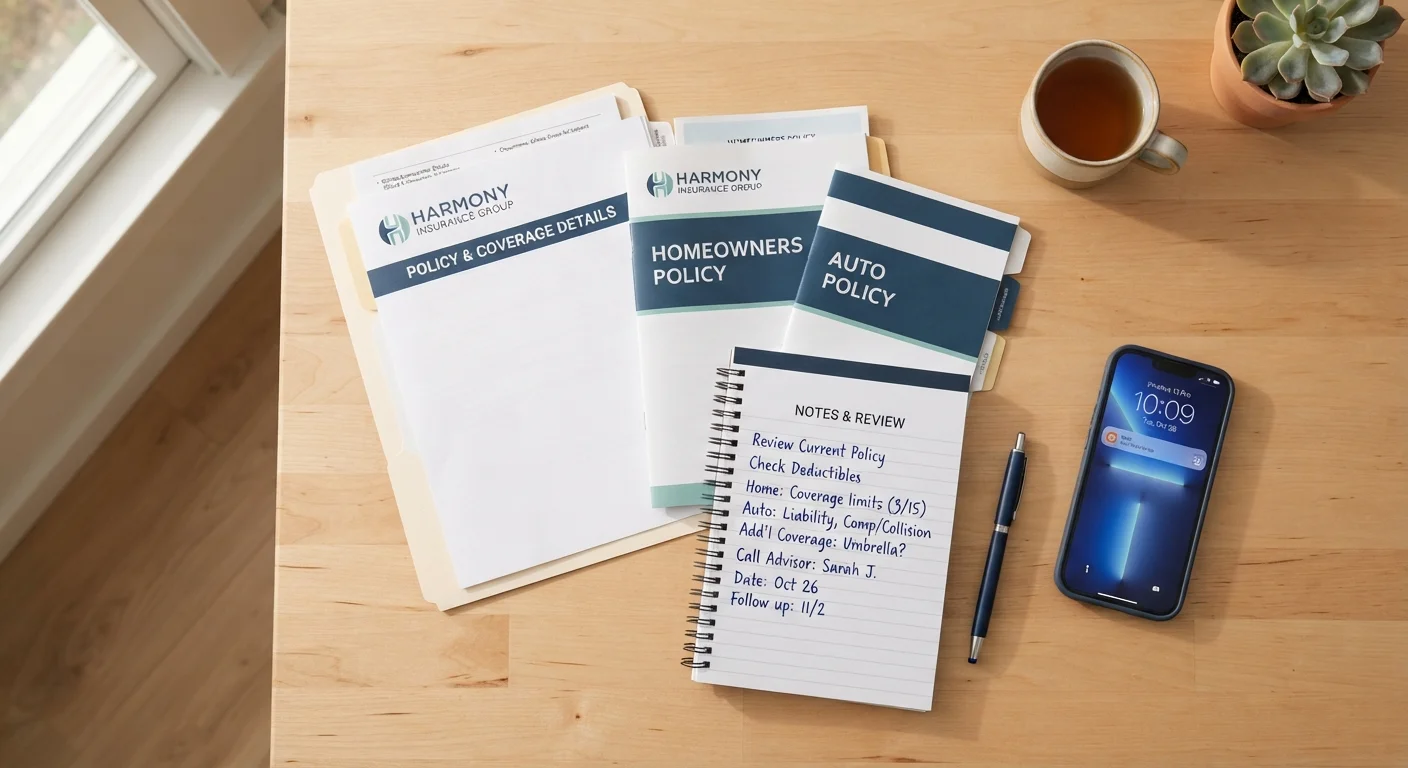
Photo credit: NewBizBuzz.net | Financial Insights For All
In this article
Documentation, timelines, and adjuster communication — the practical steps that help ensure a legitimate claim is handled fairly.
Key Takeaways
- Prompt, accurate reporting to your insurer protects your rights and prevents unnecessary delays.
- Thorough documentation — photos, receipts, written records — is your strongest evidence throughout the process.
- Every communication with an adjuster should be treated as part of the official claims record.
- Admitting fault or speculating about causes before the investigation concludes can weaken a legitimate claim.
- Policyholders have the right to ask questions, request explanations, and appeal decisions they disagree with.
Why How You File Matters as Much as What You File
A legitimate claim can still be delayed, reduced, or denied if it's poorly managed. Insurance adjusters review not just the facts of a loss but also the completeness of the submission, consistency of statements, and the timeliness of reporting. Understanding the mechanics of this process — before you ever need to use it — is a core part of sound financial planning. See the Risk & Claims hub for a broader overview of how these processes work together.
This guide walks through the practical steps that keep a valid claim on solid ground, from the moment a loss occurs to the point of settlement.
What you will need
Before You Pick Up the Phone: Document First
The period immediately after a loss is the most critical documentation window. Before making any calls, capture as much evidence as possible while conditions are unchanged.
- Photograph and video everything — the damaged property, the surrounding area, and any relevant context (a burst pipe's source, the point of entry in a break-in).
- Preserve physical evidence — do not discard damaged items until the adjuster has had a chance to assess them, unless doing so creates a safety hazard.
- Gather supporting records — purchase receipts, prior inspection reports, warranties, or serial numbers for damaged items.
For a comprehensive pre-call checklist, see Documenting a Loss: What to Gather Before You Call Your Insurer.
Report the Loss Promptly and Accurately
Most policies include a "prompt notice" requirement. Delays in reporting can give an insurer grounds to question the claim, even when the underlying loss is covered. When you call:
- State the facts of what happened — date, time, location, and nature of the loss — without editorializing.
- Ask for a claim number and the name of your assigned adjuster.
- Confirm the next steps in writing if possible (many insurers offer email confirmations).
Take Reasonable Steps to Prevent Further Damage
Most property policies require policyholders to mitigate — that is, take reasonable steps to prevent a covered loss from worsening. This is both a legal obligation under the policy and a practical measure.
- Cover broken windows or roof damage with tarps if safe to do so.
- Shut off water if a pipe has burst.
- Keep all receipts for emergency repair expenses; these may be reimbursable under your policy.
Do not undertake permanent repairs until the adjuster has documented the original damage.
Submit a Complete and Consistent Proof of Loss
Many policies require a formal Proof of Loss — a signed statement describing the loss, the property affected, and the amount claimed. This document becomes part of the official record.
- Cross-reference every item you list against your documentation (photos, receipts, serial numbers).
- Be precise about values; use replacement cost estimates from verifiable sources rather than rough guesses.
- Submit within the deadline stated in your policy — missing it can jeopardize the claim entirely.
Keep a Running Log of All Communications
Every phone call, email, and in-person interaction with your insurer or adjuster should be documented in a simple running log:
- Date and time of contact
- Name and role of the person you spoke with
- Summary of what was discussed or agreed upon
- Any deadlines or next steps mentioned
This log protects you if a dispute arises later about what was represented during the process. For a broader walkthrough of the claims process, see Filing an Insurance Claim Without Losing Your Footing.
Review the Settlement Offer Carefully Before Accepting
An initial settlement offer is not necessarily the final word. Before accepting:
- Verify the adjuster's damage assessment matches your documentation — line by line if needed.
- Understand whether the offer is based on actual cash value (depreciated) or replacement cost value, as specified in your policy.
- If you believe the offer is insufficient, you have the right to negotiate, request a re-inspection, or invoke the appraisal or dispute process described in your policy.
If a claim is denied rather than underpaid, Why Your Claim Was Denied — and What You Can Do Next outlines your options.
Communicating with Your Adjuster Without Undermining Yourself
The claims adjuster's role is to investigate the loss and determine what the policy covers. Their interests and yours are not always identical. That does not mean the relationship needs to be adversarial, but it does mean precision matters.
Keep Every Communication in Writing
When speaking with an adjuster by phone, follow up with a brief email summarizing what was discussed and any commitments made. Written records are far more useful than memory if a dispute arises weeks later. Request written confirmation of all coverage decisions as well.
Common missteps that weaken otherwise valid claims:
- Speculating aloud about cause or fault before all facts are known — a casual "I probably should have fixed that sooner" can become part of the record.
- Providing inconsistent accounts across multiple conversations; write down what you reported and when.
- Accepting a preliminary settlement offer before the full scope of the loss is known, particularly for structural damage or vehicle total losses.
If your claim involves a total-loss determination, the valuation process has its own distinct steps — see Navigating a Total Loss: From Assessment to Settlement for guidance.
Avoid Guessing in Official Statements
Speculation about cause, pre-existing conditions, or responsibility — even offhand remarks — can be documented and used to question the validity of a claim. Stick to what you directly observed and know to be fact. If you are uncertain about a detail, say so clearly rather than guessing.
This article is for general informational purposes only and does not constitute personalized insurance, financial, or legal advice. Coverage, exclusions, and claims procedures vary by policy and provider. Always read your actual policy documents and consult a licensed insurance professional for guidance specific to your situation.

Author
Insurance Explained Editorial Team
Insurance Explained Editorial Team is the collective byline for our editorial team and contributor network. Articles published under this byline or an editorial pen name are researched, written, and reviewed according to our editorial standards for clarity, consistency, and independence before publication.
View all articles →