
How Stepped-Up Basis Affects What Heirs Actually Inherit
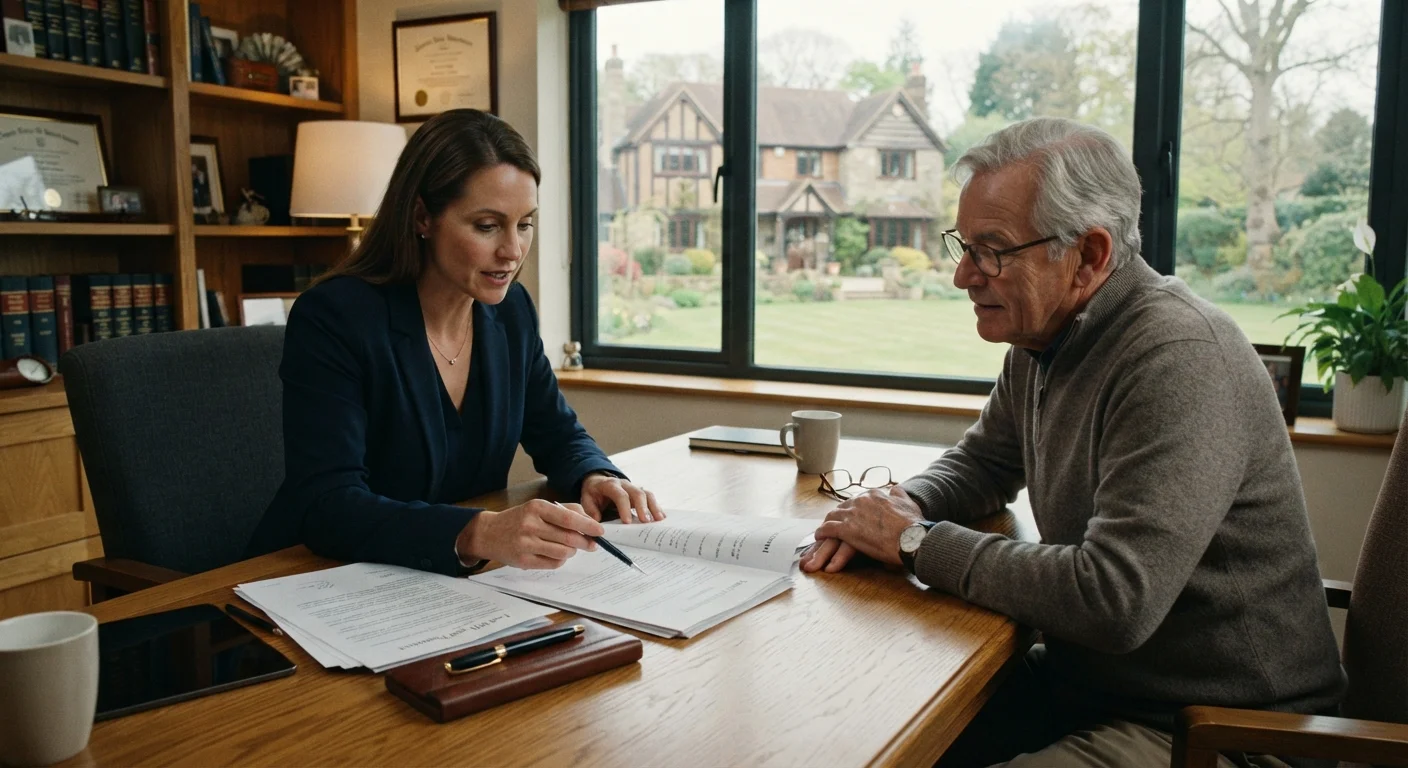
Photo credit: NewBizBuzz.net | Financial Insights For All
In this article
The stepped-up cost basis rule can significantly reduce capital gains for heirs. Understand how it works and where its limits lie.
Key Takeaways
- Inherited assets receive a new cost basis equal to fair market value at the owner's date of death.
- Heirs avoid capital gains tax on appreciation that occurred during the decedent's lifetime.
- Assets held in IRAs, 401(k)s, and certain trusts do NOT receive a stepped-up basis.
- Gifts made during the owner's lifetime carry over the original (often lower) cost basis to the recipient.
- The stepped-up basis rule is subject to legislative change and should be reviewed with a tax adviser.
The Core Mechanic: Why the Date of Death Matters
When someone inherits an appreciated asset — a stock portfolio, rental property, or a family business stake — the question of what they owe in taxes hinges on a single figure: the cost basis. Normally, cost basis is what the original owner paid for the asset. Sell it for more, and you owe capital gains tax on the difference.
The stepped-up basis rule changes this completely for inherited assets. Instead of inheriting the original owner's low purchase price, the heir's basis is reset to the asset's fair market value on the date of the owner's death. Decades of appreciation simply disappear from the tax calculation.
For heirs, the practical implication is significant: if they sell shortly after inheriting, they may owe little or no capital gains tax. If they hold the asset and it continues to grow, only the gains after the inheritance date are taxable. This is one of the most powerful wealth-transfer tools embedded in the U.S. tax code, though it is poorly understood by many families. See our estate planning glossary for a broader look at related concepts.
$41B+
Annual tax benefit from stepped-up basis
The Congressional Budget Office has estimated that the stepped-up basis provision reduces federal tax revenues by tens of billions of dollars annually, reflecting the scale of unrealized gains passed through estates.
9
Community property states in the U.S.
Nine states apply community property rules, potentially allowing both halves of marital assets to receive a stepped-up basis at one spouse's death — a significant advantage in tax planning.
Where the Step-Up Does Not Apply
The stepped-up basis rule is not universal. Several common asset types are explicitly excluded, and misunderstanding these exceptions can leave heirs with unexpected tax bills.
- Retirement accounts (IRAs, 401(k)s): Funds in tax-deferred accounts never received capital gains treatment to begin with — withdrawals are taxed as ordinary income. There is no step-up, and distributions are fully taxable to beneficiaries.
- Annuities: Gains embedded in annuity contracts are generally taxable as ordinary income when distributed, regardless of inheritance.
- Assets placed in irrevocable trusts: Depending on how the trust is structured, assets transferred into certain irrevocable trusts during the grantor's lifetime may not qualify for a step-up at death. Trust design matters enormously here.
- Gifts made before death: This is a critical planning distinction. If a parent gifts appreciated stock to a child during their lifetime, the child inherits the parent's original cost basis — a carryover basis. There is no step-up on lifetime gifts.
Alternate Valuation Date Option
In some cases, estates may elect an alternate valuation date — generally six months after the date of death — under IRC Section 2032. This option is only available if it reduces both the gross estate value and the estate tax owed. It can affect the stepped-up basis calculation, so executors should discuss this election carefully with a tax adviser.
The interplay between stepped-up basis and estate taxes is addressed in depth in our guide on estate planning and taxes.
Community Property: A Significant Regional Advantage
For married couples residing in community property states — Arizona, California, Idaho, Louisiana, Nevada, New Mexico, Texas, Washington, and Wisconsin — the stepped-up basis rule offers a compounded benefit. At the death of one spouse, both halves of community property assets typically receive a step-up to fair market value, not just the deceased spouse's share.
This contrasts with common-law states, where only the decedent's portion of jointly held assets is stepped up. For a couple with a long-held, heavily appreciated investment portfolio, the community property advantage can translate into substantially lower capital gains exposure for the surviving spouse upon an eventual sale.
Review Asset Location Before Gifting
Before transferring any appreciated asset to a family member, identify whether it will receive a stepped-up basis through the estate or carry over your original cost basis as a lifetime gift. For highly appreciated holdings, the tax difference between these two paths can be substantial. A CPA or estate attorney can model both scenarios for your specific situation.
Understanding how stepped-up basis intersects with estate taxes is essential for high-net-worth families. Visit our article on inheritance tax misconceptions to clarify what taxes actually apply to estates and heirs.
Strategic Implications for Estate Planning
The stepped-up basis rule has direct consequences for how families should structure wealth transfers. A few principles apply broadly, though individual circumstances require professional guidance.
Hold appreciated assets until death, if practical. Given that lifetime gifts carry over the original basis rather than triggering a step-up, families with highly appreciated assets often find it more tax-efficient to retain those assets and pass them through the estate. The heir's basis resets; the embedded gain disappears.
Be deliberate about what goes into trusts. While trusts are invaluable for avoiding probate and controlling wealth transfer — as discussed in our article on probate erosion — not all trust structures preserve the step-up. Certain irrevocable trusts may remove assets from the estate in ways that forfeit the benefit. An estate attorney can help identify which structures preserve it.
Coordinate with retirement account planning. Since retirement accounts receive no step-up, heirs will owe ordinary income tax on distributions. Roth conversions during the account holder's lifetime can be one strategy to reduce that burden, though this involves trade-offs that warrant careful tax planning.
Plan for legislative risk. The stepped-up basis rule has been a recurring target of reform proposals. Families relying heavily on this provision should build contingency thinking into their estate plans — work with qualified counsel to stress-test plans against potential changes.
This article is for informational and educational purposes only and does not constitute personalized tax, legal, or financial advice. Estate planning involves complex legal and tax considerations that vary by individual circumstance, asset type, and state law. Consult a licensed estate planning attorney, CPA, or qualified financial adviser before making decisions about your estate.
Frequently Asked Questions

Author
Wealth Management Editorial Team
Wealth Management Editorial Team is the collective byline for our editorial team and contributor network. Articles published under this byline or an editorial pen name are researched, written, and reviewed according to our editorial standards for clarity, consistency, and independence before publication.
View all articles →