
Term Life vs. Whole Life Insurance: Understanding the Core Difference
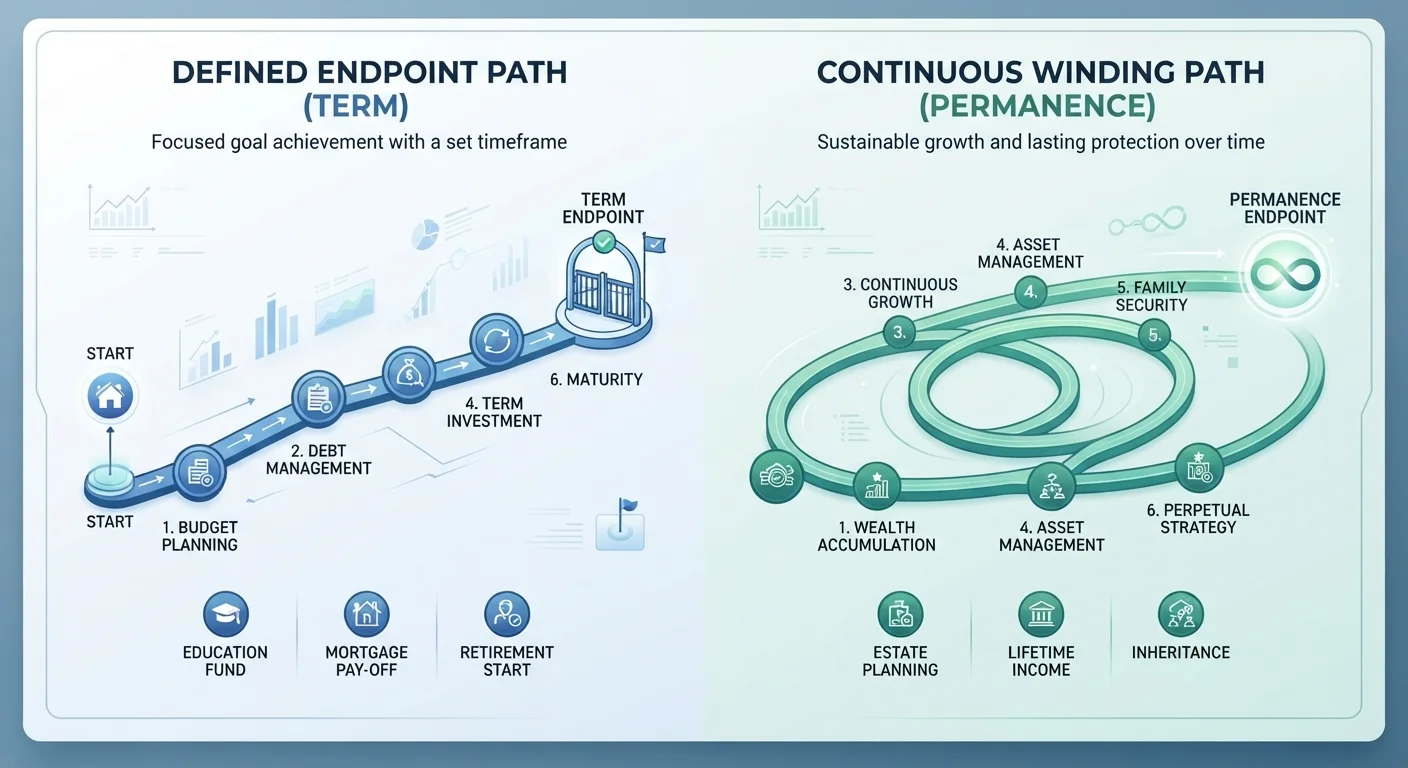
Photo credit: NewBizBuzz.net | Financial Insights For All
Both are life insurance, but they work in fundamentally different ways. Here's a clear breakdown to help you understand each structure.
Key Takeaways
- Term life covers you for a fixed period; whole life covers you for your entire life as long as premiums are paid.
- Whole life premiums are significantly higher than term premiums for the same death benefit amount.
- Whole life policies accumulate cash value over time; term policies do not.
- Term life is typically used to cover temporary financial obligations like a mortgage or income replacement.
- Neither policy type is universally superior — the right structure depends on your financial goals and situation.
- Always read actual policy documents and consult a licensed insurance professional before purchasing coverage.
What Each Policy Type Actually Does
Life insurance comes in many forms, but the two foundational structures are term life and whole life. Understanding how each is built — not just what they cost — is the starting point for evaluating your own coverage needs.
Term life insurance provides a death benefit for a defined period, typically 10, 20, or 30 years. If the insured person dies during that term, the policy pays the stated benefit to named beneficiaries. If the term expires and the policyholder is still living, coverage ends with no payout and no accumulated value. It is pure protection with no savings element.
Whole life insurance is a form of permanent life insurance — it does not expire after a set period. As long as premiums are paid, coverage remains in force for the policyholder's lifetime. Whole life policies also include a cash value component: a portion of each premium payment is credited to an account that grows at a guaranteed rate set by the insurer. This cash value belongs to the policyholder and can, under certain conditions, be borrowed against or surrendered.
For a broader view of how life insurance fits alongside other coverage types, see the major insurance categories explained.
| Criterion | Term Life | Whole Life |
|---|---|---|
| Coverage duration | Fixed term (e.g. 10–30 years) | Lifetime (while premiums are paid) |
| Premium level | Lower for same death benefit | Significantly higher |
| Cash value component | None | Yes, accumulates over time |
| Payout guarantee | Only if death occurs within term | Guaranteed as long as premiums paid |
| Policy complexity | Simple and transparent | More complex; multiple moving parts |
| Best suited for | Time-limited financial obligations | Lifelong coverage and estate planning |
Key Structural Differences and Trade-Offs
The premium gap between the two types is substantial. For the same death benefit, whole life premiums can be significantly higher than term premiums — often several times more — because the insurer is guaranteeing coverage for life and funding the cash value account. Term premiums are lower precisely because the insurer's risk is bounded by the policy's expiration date.
10–15x
Typical whole life premium multiple vs. term
Industry guidance commonly estimates whole life premiums at roughly 10 to 15 times higher than term premiums for an equivalent death benefit amount, though actual ratios vary by age and insurer.
20 years
Most common term length purchased
According to LIMRA, a US insurance research organization, 20-year terms are among the most frequently selected lengths, often aligned with mortgage durations or child-rearing years.
The cash value in a whole life policy is frequently cited as a benefit, but it warrants clear-eyed consideration. The cash value grows slowly in early years as a portion of premiums covers insurer costs. Borrowing against the cash value reduces the death benefit if not repaid, and surrendering the policy early often results in receiving less than total premiums paid, depending on surrender charges and the policy's age. These mechanics are not inherently negative, but they are important to understand before treating cash value as equivalent to a conventional savings or investment account.
Term life's simplicity is also its limitation: if you reach the end of your term and still need coverage, you will need to purchase a new policy — typically at a higher premium due to your older age and any changes in health. Some term policies include a conversion option that allows the policyholder to convert to a permanent policy without new medical underwriting, though terms vary by insurer.
Your coverage needs are also likely to shift over time. See how insurance priorities shift across life stages for context on when each structure tends to be most relevant.
This article is for general informational purposes only and does not constitute personalised insurance, financial, or legal advice. Policy terms, premiums, eligibility, and coverage details vary by insurer and individual circumstances. Always read actual policy documents carefully and consult a licensed insurance professional before making coverage decisions.

Author
Insurance Explained Editorial Team
Insurance Explained Editorial Team is the collective byline for our editorial team and contributor network. Articles published under this byline or an editorial pen name are researched, written, and reviewed according to our editorial standards for clarity, consistency, and independence before publication.
View all articles →