
Debunking Common Myths About What Insurance Actually Covers
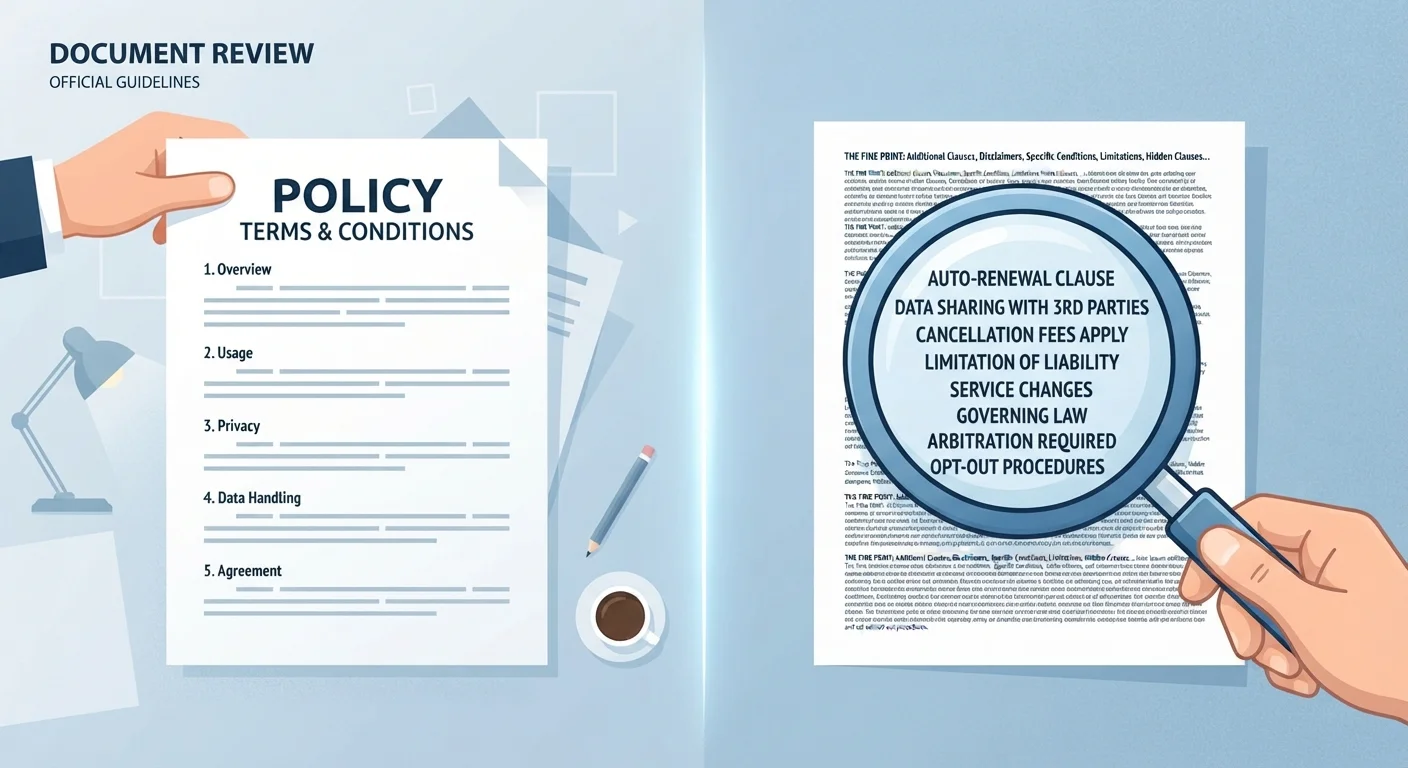
Photo credit: NewBizBuzz.net | Financial Insights For All
Many people assume their policies cover more than they do. This myth-versus-fact breakdown corrects the most widespread misunderstandings across coverage types.
Key Takeaways
- Standard homeowners policies do not cover flood or earthquake damage without separate riders or policies.
- Life insurance benefit amounts are generally income-tax-free for beneficiaries, but estate tax rules may still apply.
- Minimum liability auto insurance covers damage to others — not repairs to your own vehicle.
- Health insurance in-network cost estimates can change; always verify benefits before a procedure.
Why Insurance Myths Are So Costly
Insurance is one of the few financial products most people buy hoping never to use — which means many policyholders go years without scrutinizing what they actually own. That gap between assumption and reality is where expensive surprises are born. When a claim is denied because a loss isn't covered, it is rarely the insurer acting in bad faith; it is almost always a policyholder who never read the exclusions.
The myths below span health, life, auto, and property insurance — the four coverage types most US households carry. Understanding where common beliefs break down is the first step toward building a genuinely protective financial safety net. For a broader grounding in policy structure, see what an insurance policy actually contains.
Myth
My homeowners insurance covers flood damage — I live near water, so I'm fully protected.
Fact
Standard homeowners policies explicitly exclude flood damage. Separate flood coverage, typically through the National Flood Insurance Program (NFIP) or a private insurer, is required.
This is one of the most financially damaging misconceptions in property insurance. A standard HO-3 homeowners policy covers water damage from internal sources — a burst pipe or an overflowing appliance — but damage caused by rising external water is categorically excluded. The NFIP, administered by FEMA, provides flood policies sold through participating insurers. Even homeowners far from designated flood zones file successful flood claims, because heavy rainfall and overwhelmed drainage systems can cause flooding in low-risk areas. Check your property's flood zone designation and weigh whether a separate policy makes sense for your situation.
Myth
The minimum auto insurance required by my state is enough to protect me financially.
Fact
State minimum liability limits cover damage you cause to others — they do not repair your own vehicle and are often far below the cost of serious accidents.
Every US state sets minimum liability coverage requirements, expressed as per-person and per-accident bodily injury limits plus property damage. However, medical costs and vehicle repairs from a serious accident routinely exceed those minimums by a wide margin. If a judgment against you surpasses your liability limit, you are personally responsible for the difference. Additionally, minimum coverage includes no collision or comprehensive protection, meaning your own car repairs after an at-fault accident come entirely out of pocket. Several other auto insurance myths compound this misunderstanding and are worth reviewing alongside coverage limits.
Myth
Life insurance payouts are always taxable income for my beneficiaries.
Fact
Death benefits paid to named beneficiaries are generally excluded from federal income tax, though large estates may face separate estate tax considerations.
Under the US tax code, life insurance death benefits received by a beneficiary as a lump sum are typically not subject to federal income tax. This makes life insurance a particularly efficient wealth-transfer tool. However, there are nuances: if the policy is owned by the insured's estate rather than by an individual or trust, the benefit may be included in the taxable estate and subject to federal estate tax above applicable exemption thresholds. Interest earned on benefits left with the insurer after the insured's death is also taxable. A tax adviser can clarify how ownership structure affects the outcome in your specific situation.
Myth
If my doctor says I need a procedure, my health insurance will automatically cover it.
Fact
Medical necessity alone does not guarantee coverage. Benefits depend on your plan's terms, network status, prior authorization requirements, and applicable exclusions.
Health plans define covered services through a combination of the plan document, formulary (for prescriptions), and network agreements. A procedure your physician recommends may still be denied if it requires prior authorization that was not obtained, if the provider is out of network, or if the plan classifies the service as experimental or investigational. Cost estimates provided before treatment are also subject to change based on how claims are ultimately coded. The practical safeguard is to call your insurer before any non-emergency procedure, confirm coverage in writing where possible, and understand what your out-of-pocket maximum means for your annual exposure. For what claim denial looks like in practice and how to respond, see why claims get denied and what to do next.
Myth
Renters don't need insurance — the landlord's policy covers the building and everything in it.
Fact
A landlord's policy covers the building structure only. It does not cover tenants' personal belongings, liability, or temporary living expenses after a covered loss.
A landlord's property insurance protects the owner's financial interest in the physical structure — walls, roof, and fixtures. If a fire, theft, or water damage event destroys your furniture, electronics, clothing, or other personal property, the landlord's policy offers you nothing. Renters insurance fills this gap by covering personal property, personal liability (if someone is injured in your unit), and additional living expenses if the unit becomes uninhabitable. Renters policies are typically among the most affordable insurance products available, making the cost-to-benefit ratio highly favorable for most tenants. Learn more about how different coverage types are structured in the major insurance categories explained.
Putting Accurate Coverage Knowledge to Work
Correcting these myths is useful only if it prompts action. Start by pulling out your current policy declarations pages — the one- or two-page summary at the front of each policy — and checking the coverage types and limits against your assumptions. Pay particular attention to exclusions sections, which list what the insurer will not pay for regardless of circumstances.
Don't Wait Until a Claim to Read Your Policy
Many policyholders discover coverage gaps only after a loss has occurred, at which point options are extremely limited. Reviewing your policy documents annually — especially the declarations page, coverage limits, and exclusions — takes less than an hour and can prevent financially devastating surprises. If anything is unclear, contact your insurer or a licensed agent for clarification before a loss event forces the conversation.
If you discover gaps, your options typically include adding a rider (an amendment to an existing policy), purchasing a separate standalone policy, or increasing a coverage limit. For a detailed look at where gaps commonly appear across coverage types, explore common policy exclusions before your next renewal.
Coverage needs also shift over time — after a home purchase, marriage, or significant income change — so an annual review is a practical habit. A licensed insurance agent or independent broker can walk through your specific policies and flag mismatches. This article provides general information only and is not a substitute for personalized advice from a qualified professional.
This article is for general informational and educational purposes only. It is not personalized insurance, financial, or legal advice. Coverage terms, exclusions, and eligibility vary by provider, state, and individual circumstances. Always read your actual policy documents and consult a licensed insurance agent or adviser for guidance specific to your situation.

Author
Insurance Explained Editorial Team
Insurance Explained Editorial Team is the collective byline for our editorial team and contributor network. Articles published under this byline or an editorial pen name are researched, written, and reviewed according to our editorial standards for clarity, consistency, and independence before publication.
View all articles →